
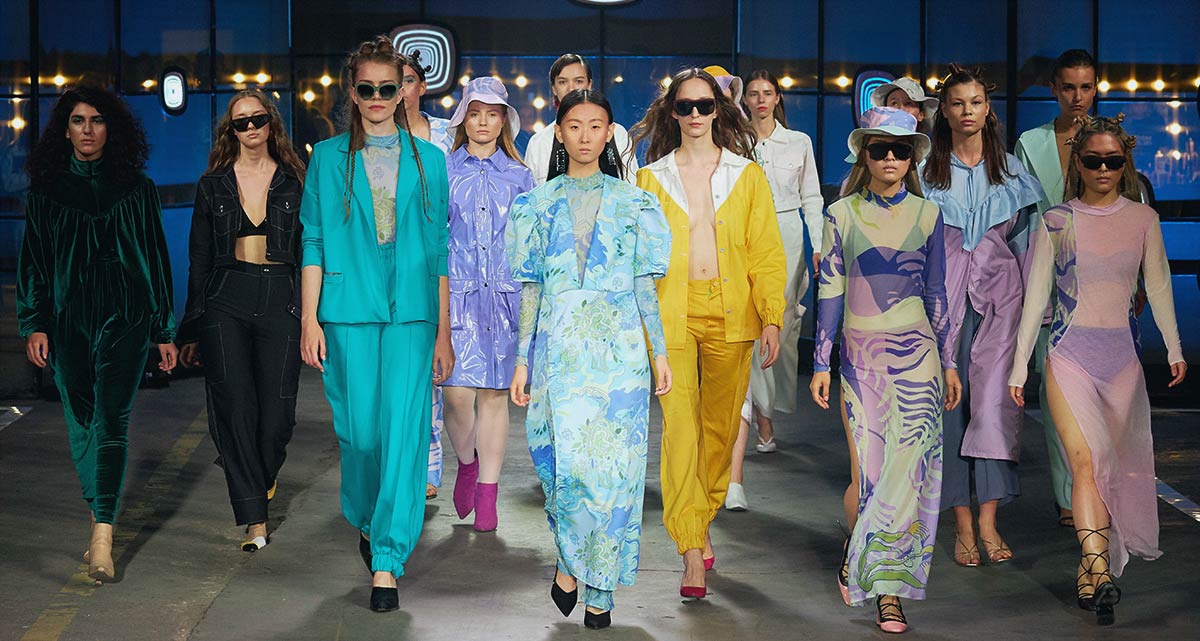
Fashion exists on a wide spectrum—from exclusive runway creations to everyday retail collections. Two major categories often compared are designer fashion and ready-to-wear fashion. While both influence style trends worldwide, they differ significantly in craftsmanship, accessibility, price, and purpose.
Understanding these differences helps shoppers make smarter wardrobe choices based on lifestyle, budget, and personal style goals.
What Is Designer Fashion?
Designer fashion refers to clothing created by renowned fashion designers or luxury houses, often produced in limited quantities or custom-fitted for individual clients.
These pieces are typically associated with:
- premium fabrics
- detailed craftsmanship
- unique silhouettes
- artistic expression
- limited availability
Designer fashion is frequently showcased during fashion weeks before reaching select boutiques or private clients.
Many designer collections prioritize creativity over mass appeal. As a result, they often shape upcoming global fashion trends. ✨
What Is Ready-to-Wear Fashion?
Ready-to-wear fashion, also known as prêt-à-porter, includes clothing manufactured in standard sizes and sold through retail stores or online platforms.
These garments are designed for:
- daily usability
- practical comfort
- wider availability
- faster production cycles
- affordable pricing compared to couture
Ready-to-wear pieces balance style with convenience, making them accessible to a broader audience.
Unlike designer exclusives, these collections are created for immediate purchase and wear.
Key Differences Between Designer Fashion and Ready-to-Wear Fashion
Although both categories influence modern wardrobes, their purpose and execution vary greatly.
1. Price Range
Designer fashion
- significantly more expensive
- reflects craftsmanship and exclusivity
- often considered investment pieces
Ready-to-wear fashion
- budget-friendly to mid-range pricing
- accessible to most consumers
- designed for regular wardrobe updates
Price often becomes the deciding factor for many buyers.
2. Production Volume
Designer clothing is usually:
- produced in limited numbers
- sometimes custom-made
- released selectively
Ready-to-wear collections are:
- mass-produced
- widely distributed
- restocked frequently
This difference directly affects availability and uniqueness.
3. Fit and Customization
Designer fashion often offers:
- tailored measurements
- personalized adjustments
- higher precision in fit
Ready-to-wear fashion follows:
- standard size charts
- generalized body proportions
- minimal customization options
Tailoring can improve ready-to-wear fit, but it rarely matches couture-level precision.
4. Fabric Quality
Luxury designer garments typically use:
- premium textiles
- handcrafted details
- advanced construction techniques
Ready-to-wear clothing uses:
- practical fabrics
- machine-based stitching
- cost-efficient materials
However, some premium ready-to-wear brands still maintain high fabric standards.
5. Trend Influence
Designer fashion plays a strong role in shaping upcoming trends.
Runway collections often introduce:
- new color palettes
- experimental silhouettes
- innovative textures
Ready-to-wear brands adapt these ideas into wearable versions suitable for everyday use. 👗
6. Accessibility
Designer pieces are usually available through:
- luxury boutiques
- exclusive brand stores
- limited seasonal drops
Ready-to-wear clothing is easier to find in:
- malls
- online stores
- local fashion outlets
Accessibility makes ready-to-wear fashion the practical choice for most people.
When Should You Choose Designer Fashion?
Designer fashion works best when you want:
- statement pieces for special occasions
- long-term wardrobe investments
- standout personal style expression
- superior craftsmanship
Many people mix designer items with simpler clothing to create balanced outfits.
When Should You Choose Ready-to-Wear Fashion?
Ready-to-wear fashion is ideal for:
- daily outfits
- workplace wardrobes
- seasonal trends
- budget-conscious styling
It allows flexibility without compromising style variety.
Smart shoppers often combine both categories to create versatile wardrobes. 🧥
How Designer and Ready-to-Wear Fashion Complement Each Other
Rather than competing, these two fashion categories often work together.
Designer collections:
- introduce creative direction
Ready-to-wear collections:
- translate ideas into everyday wear
This relationship keeps fashion evolving while remaining practical for real-world lifestyles.
Frequently Asked Questions (FAQs)
1. Is designer fashion always handmade?
Not always. Some designer pieces are handcrafted, but others are produced using advanced manufacturing techniques while maintaining premium quality standards.
2. Does ready-to-wear fashion follow runway trends immediately?
Most ready-to-wear brands adapt runway influences within months, adjusting designs for practicality and affordability.
3. Are designer clothes more durable than ready-to-wear clothing?
Often yes, because they use higher-quality materials and construction methods, though durability still depends on care and usage.
4. Can ready-to-wear clothing look luxurious?
Yes. With proper styling, fabric selection, and tailoring, ready-to-wear outfits can achieve a polished and sophisticated appearance.
5. Why do designer brands release seasonal collections?
Seasonal collections align with climate changes, consumer demand cycles, and fashion industry calendars.
6. Is investing in designer fashion worth it?
It can be worthwhile for timeless pieces like coats, handbags, or formalwear that maintain relevance across years.
7. Do fashion professionals mix designer and ready-to-wear clothing?
Yes. Many stylists combine both to create balanced outfits that blend uniqueness with practicality.