
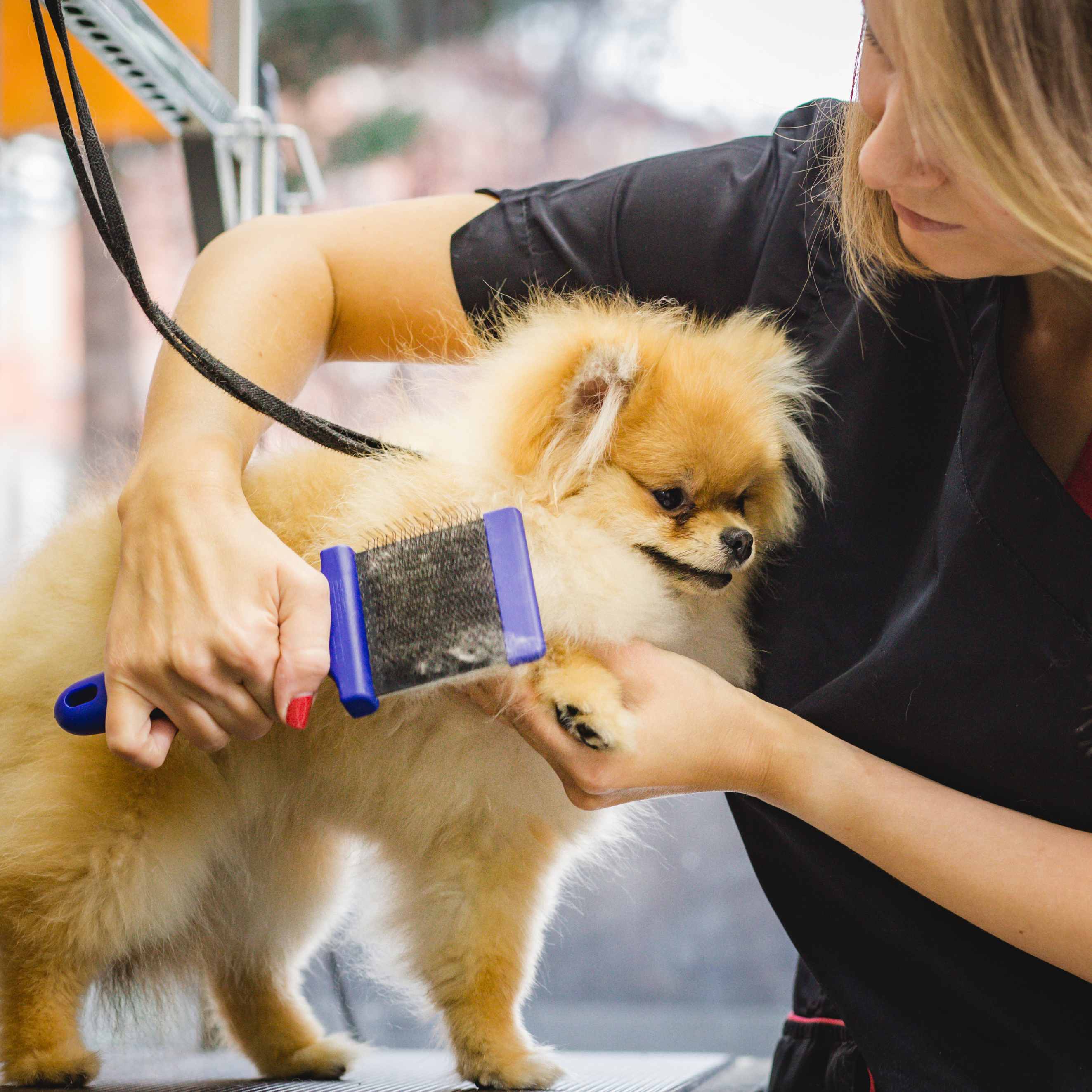
Pet grooming is not a one-size-fits-all task. Different breeds have distinct coat textures, skin sensitivities, and grooming requirements that influence how often and how carefully they should be maintained. Understanding breed-specific grooming needs helps prevent discomfort, reduces health risks, and keeps pets looking and feeling their best.
This guide explains practical grooming approaches tailored to common coat types across both dogs and cats so owners can build effective routines with confidence.
Why Breed-Specific Grooming Matters
Each breed develops unique grooming needs based on coat length, thickness, shedding behavior, and skin condition. Ignoring these differences may lead to problems like matting, irritation, excessive shedding, or infections.
Benefits of adjusting grooming to breed type include:
- Healthier skin and coat
- Reduced shedding around the home
- Early detection of parasites or abnormalities
- Improved comfort for the pet
- Stronger bonding between pet and owner
Matching grooming methods to breed characteristics ensures better long-term care.
Grooming Tips for Short-Coated Breeds
Short-coated breeds often appear low maintenance, but they still require consistent care.
Common examples include:
- Labrador Retrievers
- Beagles
- Domestic short-haired cats
- Dobermans
Recommended grooming practices:
- Brush once or twice weekly with a soft bristle brush
- Bathe only when necessary
- Clean ears regularly
- Trim nails every 2–4 weeks
Short coats shed year-round, so regular brushing helps control loose hair and supports skin circulation.
Grooming Tips for Long-Coated Breeds
Long-haired pets need more frequent attention to prevent tangles and mat formation.
Examples include:
- Persian cats
- Golden Retrievers
- Shih Tzus
- Maine Coon cats
Best grooming habits:
- Brush daily or every other day
- Focus on friction-prone areas like underarms and belly
- Use detangling tools designed for long coats
- Schedule occasional professional grooming if mats develop
Routine brushing prevents discomfort caused by tight knots pulling on the skin.
Grooming Tips for Double-Coated Breeds
Double-coated breeds have a dense undercoat beneath a protective outer layer. Improper grooming can damage coat structure.
Common breeds include:
- Siberian Huskies
- German Shepherds
- Pomeranians
Important care strategies:
- Use an undercoat rake during shedding seasons
- Brush 2–3 times weekly
- Avoid shaving unless medically required
- Increase grooming frequency during seasonal coat changes
Maintaining the natural coat helps regulate body temperature effectively.
Grooming Tips for Curly or Wavy-Coated Breeds
Curly coats trap debris easily and require structured grooming routines.
Typical breeds include:
- Poodles
- Bichon Frise
- Labradoodles
Essential grooming steps:
- Brush several times weekly to prevent matting
- Schedule regular trimming every 4–6 weeks
- Keep ears dry and clean to reduce infection risk
- Use conditioners formulated for textured coats
Curly coats benefit greatly from consistent maintenance rather than occasional intensive grooming.
Grooming Tips for Hairless Breeds
Hairless pets require skin-focused grooming instead of coat care.
Examples include:
- Sphynx cats
- Chinese Crested dogs
Skin care recommendations:
- Bathe regularly to remove oil buildup
- Moisturize with vet-approved products if needed
- Protect skin from sun exposure
- Keep bedding clean to prevent irritation
Despite lacking fur, these breeds require frequent attention to maintain healthy skin.
Grooming Needs for Heavy-Shedding Breeds
Some breeds naturally shed more than others and need targeted grooming support.
Examples include:
- Alaskan Malamutes
- Ragdoll cats
- Akitas
Helpful grooming practices:
- Brush daily during shedding seasons
- Use de-shedding tools carefully
- Maintain hydration and balanced nutrition
- Vacuum resting areas regularly
Consistent brushing dramatically reduces loose fur accumulation indoors.
Nail, Ear, and Dental Care Across All Breeds
Regardless of breed type, every pet benefits from routine hygiene maintenance beyond coat care.
Important habits include:
- Trimming nails every few weeks
- Checking ears for odor or debris
- Brushing teeth regularly with pet-safe toothpaste
- Watching for unusual skin or behavioral changes
These universal grooming practices support overall wellness.
Creating a Grooming Routine That Matches Your Pet’s Breed
Successful grooming routines depend on consistency rather than complexity.
To build an effective schedule:
- Identify your pet’s coat type
- Adjust brushing frequency accordingly
- Introduce grooming gradually
- Keep sessions calm and brief
- Reward cooperation with treats or praise
Predictable routines help pets feel safe and cooperative during grooming.
Signs Your Pet’s Grooming Routine Needs Adjustment
Even well-planned routines sometimes require improvement.
Watch for these indicators:
- Persistent shedding beyond seasonal norms
- Tangled or greasy coat
- Scratching or licking excessively
- Ear odor or redness
- Cracked or overgrown nails
Adjust grooming habits early to prevent discomfort or health complications.
FAQ: Pet Grooming Tips for Different Breeds
1. How do I determine my pet’s coat type if I’m unsure of the breed?
Observe coat length, density, and texture. A veterinarian or professional groomer can help classify coat type and recommend suitable grooming methods.
2. Is it safe to shave pets during summer to keep them cool?
Not always. Double-coated breeds especially should not be shaved unless advised by a veterinarian because their coat helps regulate body temperature.
3. How often should I replace grooming tools?
Brushes and nail clippers should be replaced when they become dull, damaged, or ineffective, typically every 6–12 months depending on usage.
4. Can grooming routines change as pets age?
Yes. Senior pets often develop sensitive skin or reduced mobility, requiring gentler and shorter grooming sessions.
5. Should grooming frequency change with the seasons?
Yes. Many breeds shed heavily during seasonal transitions, requiring more frequent brushing during those periods.
6. Are grooming wipes a good substitute for bathing?
They are helpful for quick cleaning between baths but should not replace proper bathing when deeper cleaning is needed.
7. What is the best way to keep pets calm during grooming sessions?
Choose quiet times, maintain a gentle approach, introduce tools gradually, and reward positive behavior consistently.